
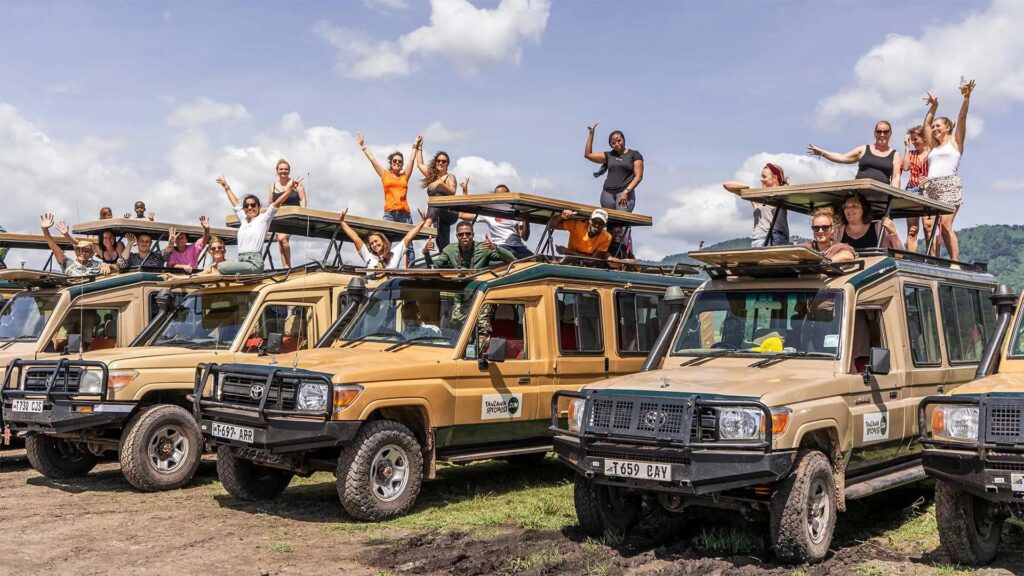
So you’ve decided to go on a Kenya safari — congratulations, you’re about to have one of the most unforgettable experiences of your life. But if this is your first time, there’s a lot you might not know, and the internet can be overwhelming with conflicting advice.
We’ve guided thousands of first-time safari-goers across Kenya’s most spectacular parks. Here are the 10 things we wish every first-timer knew before they landed in Nairobi.
1. There’s No “Wrong” Time to Go on Safari in Kenya
One of the biggest myths about a first Kenya safari is that you can only go during certain months. The truth? Kenya offers incredible wildlife viewing year-round.
- January – March: Hot and dry. Excellent visibility, fewer tourists, great photography light. Baby animals everywhere after the calving season.
- April – June: Long rains. Lower prices, lush green landscapes, but some roads can get muddy. Bird watching is phenomenal.
- July – October: Peak season. The Great Migration is in the Masai Mara. Best wildlife action but also busiest.
- November – December: Short rains. Beautiful scenery, good wildlife, and the transition into calving season.
If budget matters, the shoulder months (March, June, November) offer the best value with fewer crowds. Check our current deals for seasonal specials.
2. Pack Less Than You Think (But Don’t Forget These)
Safari vehicles have limited luggage space, and most internal flights have strict baggage limits (15-20kg). Pack in a soft-sided bag, not a hard suitcase.
Must-Pack Essentials:
- Neutral-coloured clothing — khaki, olive, brown, beige. Avoid bright white (scares animals and gets filthy) and dark blue/black (attracts tsetse flies).
- Layers — early morning game drives start at 6 AM and can be genuinely cold (10-15°C), but by noon it’s 28-30°C.
- Sun protection — SPF 50 sunscreen, wide-brim hat, quality sunglasses. The equatorial sun is intense.
- Binoculars — more important than a fancy camera. A good pair transforms your experience.
- Insect repellent — DEET-based for evenings. Some parks are in malaria zones.
- Power bank — charging opportunities can be limited at bush camps.
- Closed-toe shoes — for bush walks and camp evenings. Sandals are fine during the day in the vehicle.
Leave Behind:
- Drones (banned in all Kenyan parks)
- Camouflage clothing (illegal to wear in Kenya — reserved for military)
- Heavy suitcases
- High heels (yes, we’ve seen it)
3. Vaccinations and Health — Start Early
Visit a travel clinic at least 6-8 weeks before your trip. Recommended vaccinations for Kenya:
- Yellow Fever — required if coming from an endemic country. Carry your certificate.
- Hepatitis A & B — recommended
- Typhoid — recommended
- Tetanus/Diphtheria — update if needed
- Malaria prophylaxis — discuss with your doctor. Malarone, Doxycycline, or Lariam depending on your preference.
Carry a small first-aid kit with anti-diarrhoea tablets, rehydration salts, plasters, and any personal medications. Drink bottled water only.
4. Your Guide Makes or Breaks the Trip
This is the single biggest factor in your safari experience. A great guide doesn’t just drive you around — they read animal behaviour, track predators, understand bird calls, share local knowledge, and know exactly where to position the vehicle for the best sighting.
When booking, ask about guide qualifications. At Eminent Safaris, our guides are KPSGA-certified (Kenya Professional Safari Guides Association) with years of field experience.
Pro tip: Talk to your guide. Tell them what you most want to see. “I really want to see a leopard” or “I love birds” gives them something to work with.
5. A Typical Safari Day Looks Like This
If you’ve never been on safari, you might imagine non-stop driving. Here’s what a real day actually looks like:
- 5:30 AM: Wake-up call with tea/coffee at your tent or room
- 6:00 AM: Morning game drive begins. This is prime time — animals are most active, light is magical.
- 8:30 AM: Bush breakfast — your guide finds a scenic spot, lays out a spread under an acacia tree.
- 9:30 AM: Continue game drive or return to camp.
- 10:30 AM – 3:00 PM: Siesta time. Animals rest in shade, and so should you. Relax at camp, swim if there’s a pool, read, nap.
- 3:30 PM: Afternoon game drive. Animals become active again as temperatures cool.
- 6:00 PM: Sundowners — drinks and snacks watching the African sunset.
- 7:00 PM: Return to camp for dinner, often around a campfire under the stars.
That midday break is important — don’t fight it. The animals are hiding in shade, the light is harsh for photos, and you’ll be exhausted without rest. The best sightings happen at dawn and dusk.
6. Which Park Should You Choose?
Kenya has over 50 national parks and reserves. For a first-time safari, these are the strongest options:
- Masai Mara: The classic. Big Five, Great Migration (Jul-Oct), open grasslands, excellent guides. The most reliable all-round safari experience. See our Mara packages →
- Amboseli: Elephants with Kilimanjaro as a backdrop. Less predator density than the Mara, but the scenery is jaw-dropping.
- Tsavo: Kenya’s largest park. Red elephants, dramatic landscapes, fewer tourists. Great for those who want solitude.
- Lake Nakuru: Rhino sanctuary, flamingos, compact park that’s easy to explore in one day.
- Nairobi National Park: Wildlife with city skyscrapers in the background — nowhere else on Earth has this. Perfect for a quick day trip.
First timer? We recommend Masai Mara + one other park (Amboseli or Lake Nakuru) for a 5-7 day trip. It gives variety without exhausting you.
7. Money, Tipping & Budgeting
Kenya’s currency is the Kenya Shilling (KES). But most safari operators quote in USD.
Tipping Guidelines:
- Safari guide: USD 15-20 per person per day
- Camp/lodge staff: USD 10-15 per person per day (usually collected in a communal tip box)
- Transfer driver: USD 5-10 per transfer
Tipping isn’t mandatory but is deeply appreciated — it’s a significant part of income for safari staff.
Budget Tips:
- Group joining safaris are significantly cheaper than private trips
- Shoulder season months offer 20-40% discounts
- Eminent Safaris offers installment payment plans — start paying now, travel when ready. No need to have the full amount upfront. Learn more →
8. Safari Etiquette — The Unwritten Rules
A few rules that will make you a better safari guest:
- Never stand up in the vehicle when near animals. Animals see the vehicle as one shape — a standing human changes the silhouette and can trigger a charge.
- Keep noise down. Whisper during sightings. No phone calls on game drives.
- Don’t wear perfume or cologne. Strong scents can attract insects and disturb some animals.
- Stay in the vehicle unless your guide says otherwise.
- Don’t feed the animals. Ever. Not even baboons. Especially not baboons — they become aggressive.
- Respect distance. Getting too close stresses animals. Trust your guide’s judgment on positioning.
- Be patient. The best sightings happen when you wait. That lioness sleeping under a tree? Give it 20 minutes — she might get up, stretch, and walk right past your vehicle.
9. Safety Is Not Something to Worry About
First-timers often worry about safety on a Kenya safari. The reality? Safaris are remarkably safe when you follow your guide’s instructions.
- Wildlife: Animals are accustomed to vehicles and generally ignore them completely. Attacks on safari vehicles are exceptionally rare — you’re statistically safer in a safari vehicle than driving on a highway.
- Camp safety: Camps have askaris (guards) on duty overnight. Animals may wander through camp — this is normal. Stay on lit paths at night, and if you hear something, let the staff handle it.
- Personal safety: Nairobi and other cities require normal urban awareness. Don’t flash valuables, use hotel safes for passports, and use reputable transport.
- Health: Take malaria prophylaxis, drink bottled water, and use sunscreen. Medical evacuations are available through AMREF Flying Doctors (your safari should include emergency evacuation coverage).
10. It Will Change You
This isn’t exaggeration or marketing. We hear it from first-timers constantly. There’s something about watching a lion walk past your vehicle at sunrise, about the silence of the savannah broken only by bird calls, about sitting by a campfire under the Milky Way in one of the darkest skies on Earth — it rewires something inside you.
Many of our guests come for one safari and return year after year. Some come for a 3-day trip and extend to a week. A few have changed career paths because of what they experienced.
The Masai have a saying: “The one who has not travelled thinks his mother is the best cook.” Kenya will expand your world in ways you can’t anticipate.
Ready for Your First Safari?
We specialise in making first safaris unforgettable. Our Kenya safari packages range from budget-friendly group joining trips to exclusive private safaris — and with our installment payment plans, you can book today and pay over time.
📞 Call us: +254 704 555 150 | 📧 Email: tours@eminentsafaris.com